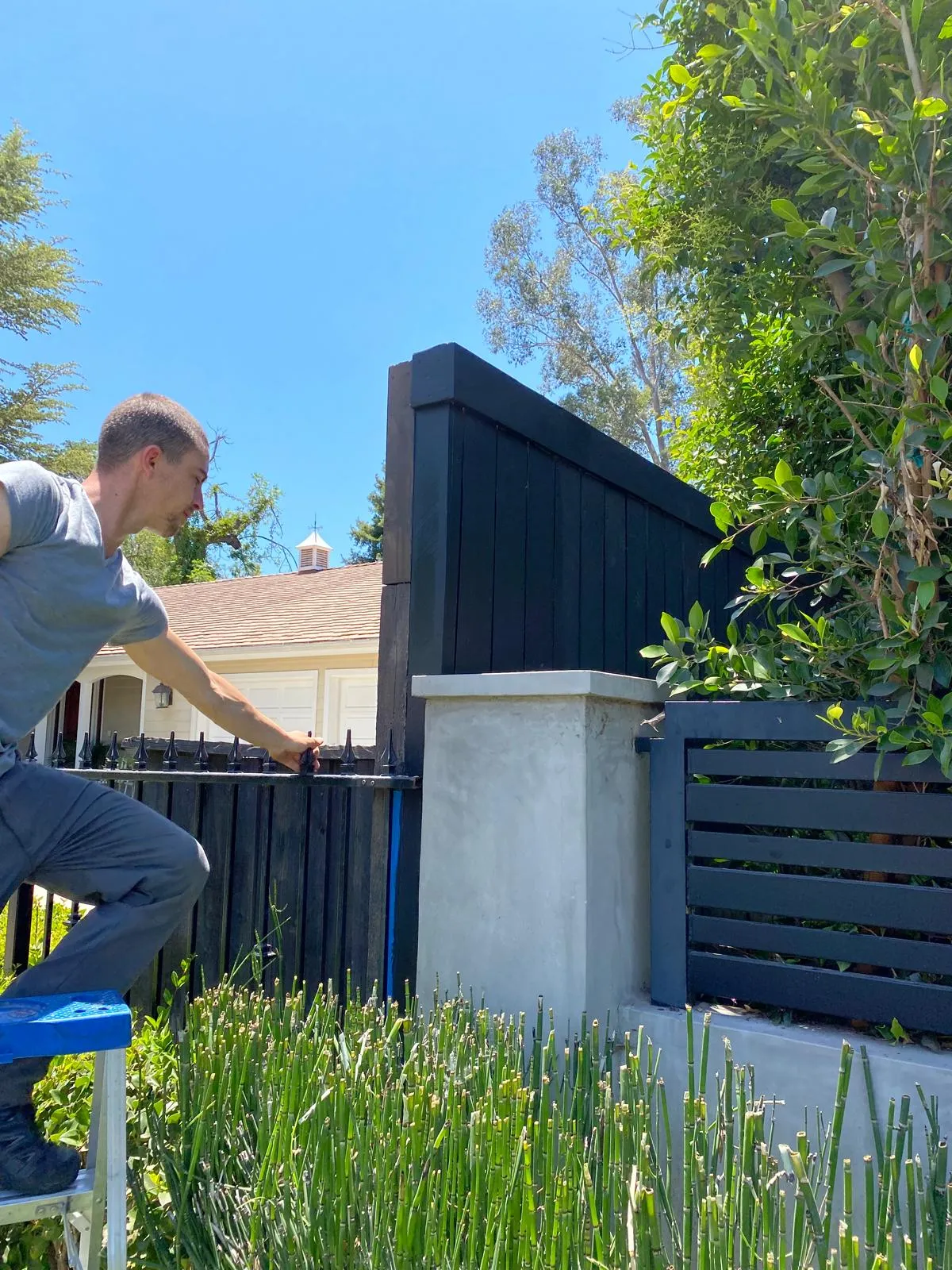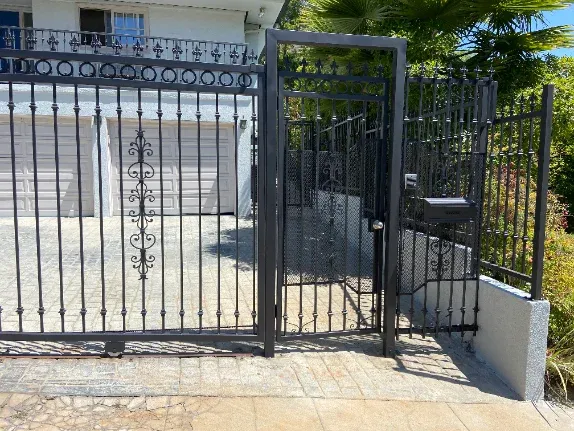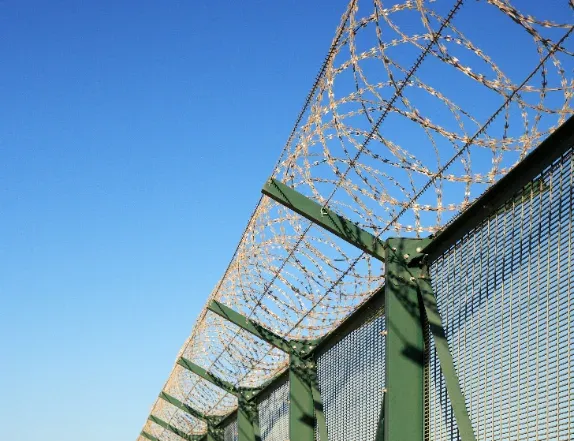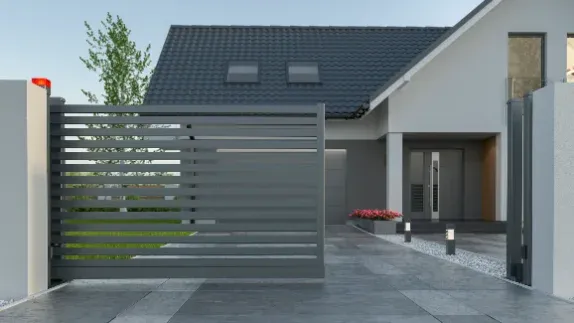
The layer that decides whether anyone reaches the gate at all. Anti-climb infill, topping that denies a hand-hold, and footings set for the soil they are in — fabricated in our own shop.

A fence is the only part of a perimeter that has to work without anyone touching it. It is also the part most often built to the wrong standard: six feet of chain link with a top rail is a ladder, and a block wall with a planter against it is a step. What matters is not height but whether there is anything to hold, stand on, or cut through quietly.
So we walk the line before we price it: where the grade falls away, where a neighbor's tree gives cover, where a utility box hands someone a boost. Then we draw the run — heights, post spacing, footing depth, infill and topping — and fabricate it in our shop in Santa Clarita. You approve the drawing before steel gets cut.
A fence buys time; it does not raise an alarm. Paired with a gate at the entrance, surveillance on the line and the network carrying it, the delay becomes a detection — which is the Complete Security Gate System.
We fabricate our own steel, and where a job calls for a manufactured line, barrier or bollard we install and service the major brands — Ameristar, Delta Scientific, Reliance Foundry and others. See the brands we work with.
Every fence we are asked to fix failed in one of four ways: someone climbed it, cut it, drove through it, or the ground moved and it fell over on its own. So we spec against those four: infill with nothing to grip, no outside horizontals, footings sized for the soil and the wind load, and a crown that gives a hand nowhere to go. Height is the last decision, not the first.
We build new runs, extend and upgrade existing ones, and repair fences we did not install — including vehicle impact, which is most of the emergency work we do.
Apertures too tight for fingers or boot toes, no outside rail to stand on.
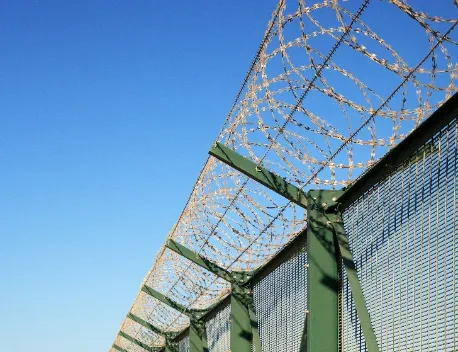
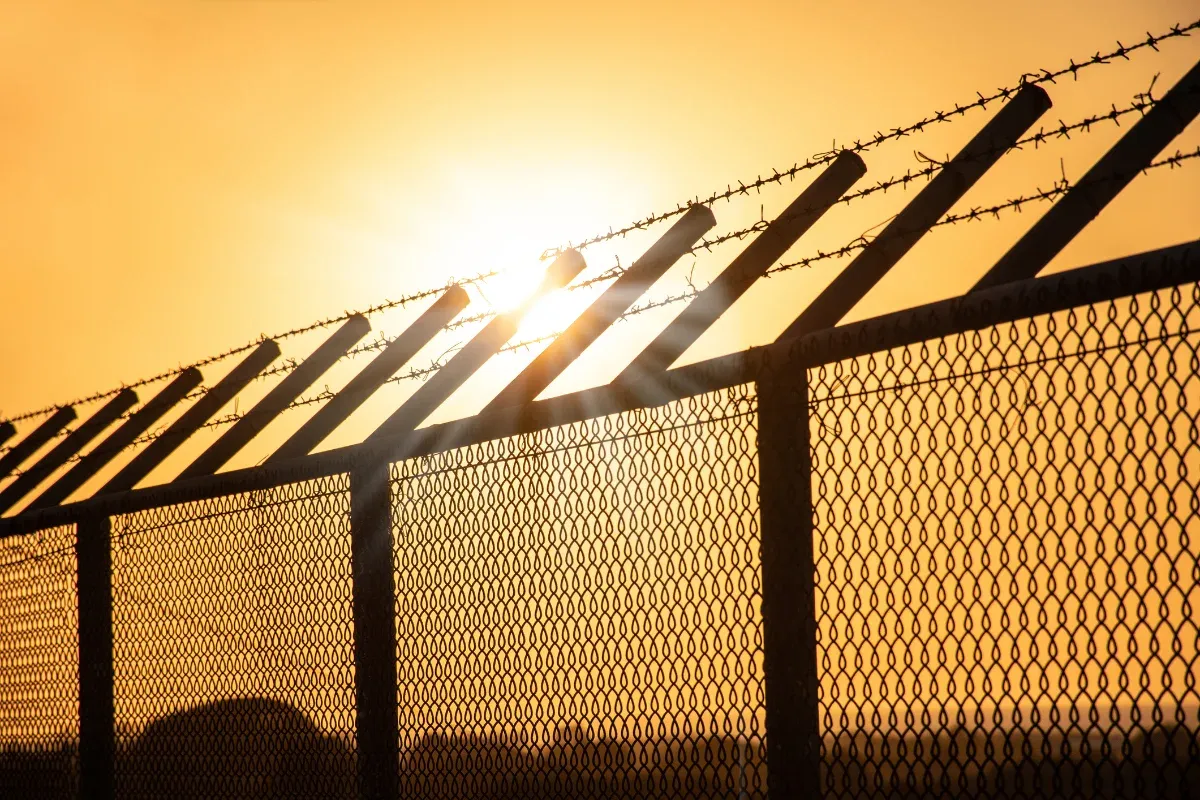
Spear points, rotating toppers or angled extensions where code allows.
Post depth and spacing set for expansive clay, slope and wind load.
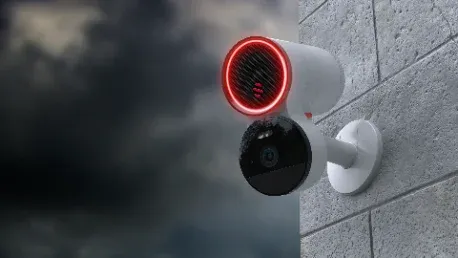
Cameras and lighting later without trenching the same run twice.
Keep the posts, change the infill and crown — the cheapest real gain.
Vehicle impact or a breach in the line — temporary secure, then rebuild.
CALL 661-605-3266 →Which one fits comes down to what you are stopping, what you want to see through it, and what the city and the HOA will let you put on the property line.
Welded steel pickets, no outside rail, spear or flat top. The default where the fence is also the front of the property.
358 mesh and similar: apertures too small for fingers or cutters, near-transparent from twenty feet.
Perforated or louvred panel where you need sightline denial as well as delay. Wind load matters here.
Block or stucco walls with steel-reinforced pilasters. Quietest, heaviest, most permit-bound option.
Yards and industrial lots where cost per foot rules. Bottom tension wire and no top rail, or it is a ladder.
Send a drawing, a photo, or a sketch on a napkin. If it can be welded, we can build it — matched to a gate you already have.
START A CUSTOM FENCE →We walk the whole run: grade, soil, drainage, sightlines, and where someone would actually try it.
Heights, post spacing, footing depth, infill and topping — approved before steel is cut.
Panels welded and finished in our shop — galvanized or powder-coated, not drop-shipped.
Footings poured, panels hung, conduit run — then maintained, with repair when you need it.
We won't publish a per-foot number that doesn't survive a site visit. These are the five things that move a fence quote, in the order they usually matter.
Fabricated in Santa Clarita, installed across Los Angeles, Ventura and Kern counties.
Most Southern California residential codes cap front-yard fences near three to four feet and side and rear runs at six, with taller by variance. Commercial and industrial sites usually run eight feet plus topping. We check your jurisdiction before we draw.
Mesh apertures too small for fingers and boot toes, no horizontal rails on the outside face to stand on, and a crown that denies a hand-hold. Height alone stops almost nobody.
We repair fences we did not install — vehicle impact, storm damage, rusted posts and sagging panels — splicing into the existing run and matching the finish so the repair doesn't read as a patch.
Yes, and it's far cheaper to plan for it. We run conduit along the fence line while the trench is open, so cameras, lighting and detection can be added without digging twice.
The free estimate prices the work you already want. The paid assessment is a Red Team walk of your perimeter, with a written report.
We protect people, property, and peace.