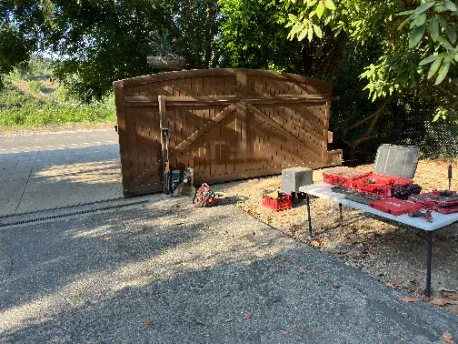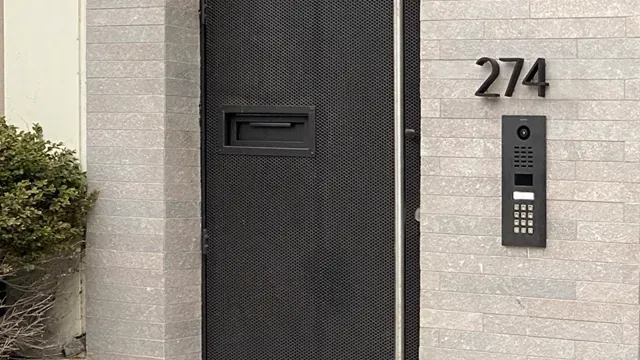
Vehicle detection loops and credential readers work together at a gate — the loop tells the operator a vehicle is present, the reader identifies who it is. Both need to be sized and placed correctly, or the gate either doesn't open for a legitimate vehicle or closes on one that's still there.
Vehicle detection loops and credential readers work together at a gate — the loop tells the operator a vehicle is present, the reader identifies who it is. Both need to be sized and placed correctly, or the gate either doesn't open for a legitimate vehicle or closes on one that's still there.
Traffic pattern, vehicle types and entrance layout.
Placement and configuration specified for the site.
Loops cut in, readers mounted, wired to the operator.
Verified across the vehicle types that actually use the entrance.
Scoped to your property, not a flat per-item rate. These are the factors that move the number, in the order they usually matter.
Usually a loop that's not detecting correctly — undersized, miswired, or positioned wrong for the vehicle. We test across your actual vehicle mix, not just one car.
They're largely maintenance-free once installed correctly, though pavement work nearby can damage them — we can test and repair if that happens.
Yes, long-range and plate-recognition readers exist specifically so vehicles don't have to stop and reach out a window.
Name, phone and ZIP. We walk it before we price it.
We protect people, property, and peace.